gtag('config', 'G-B8VBNTV8F2'); Artworks | Contemporary Peruvian Painting · Ana Masias, Fine Artist

Recent work 2024–2026

Paintings to
see with time

Five recent works with technical data and curatorial text, along with an archive of works and processes from 2010 to 2024.

In the studio

This is how I paint

In my studio, each painting appears slowly: layer upon layer, between silence, color, and patience.

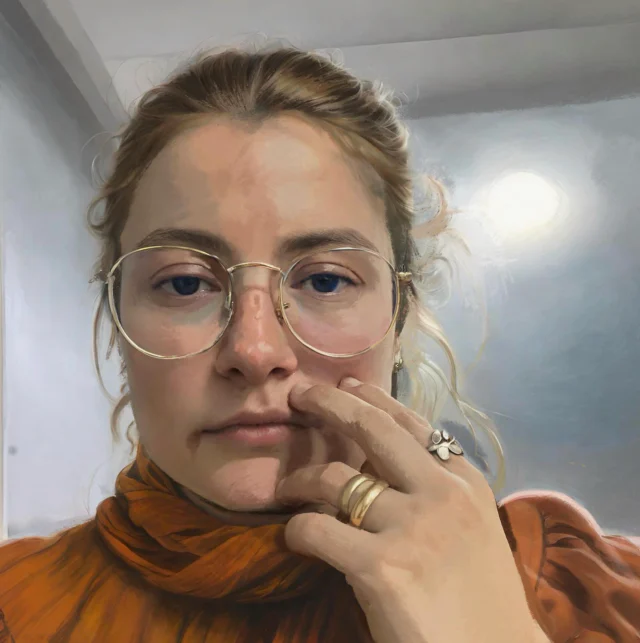
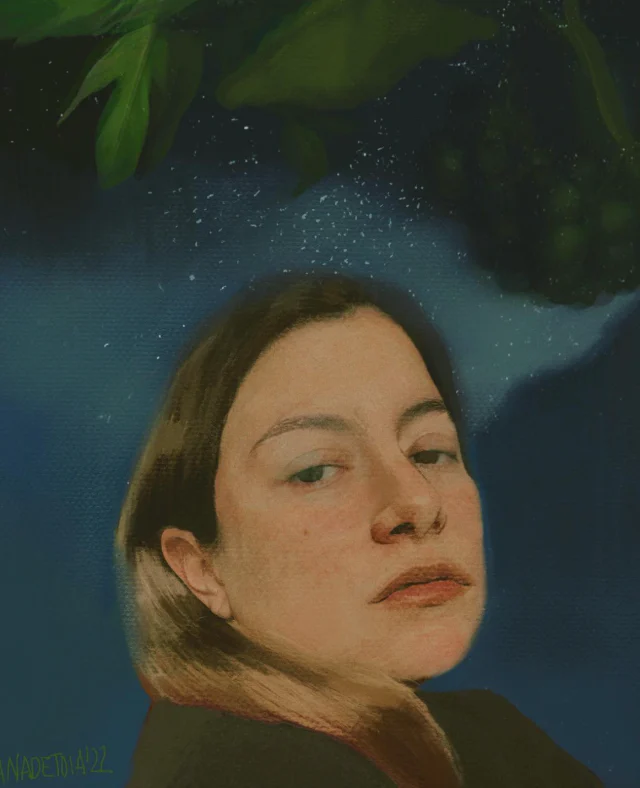
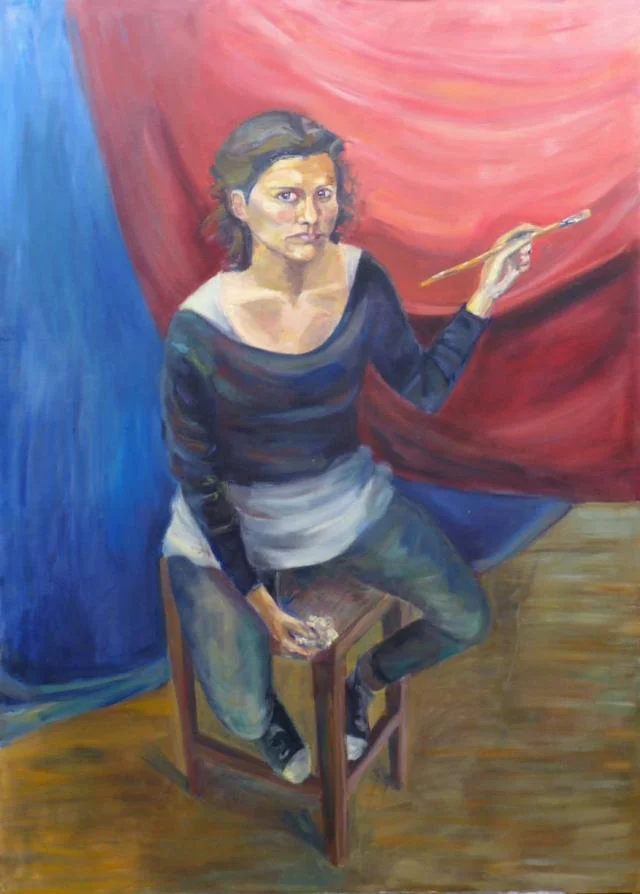
Autorretrato — Ana Masias, 2026, óleo sobre lienzo
ANA MASIAS

Self-portrait

  • 2026
  • Oil on canvas
  • 68 × 45 cm

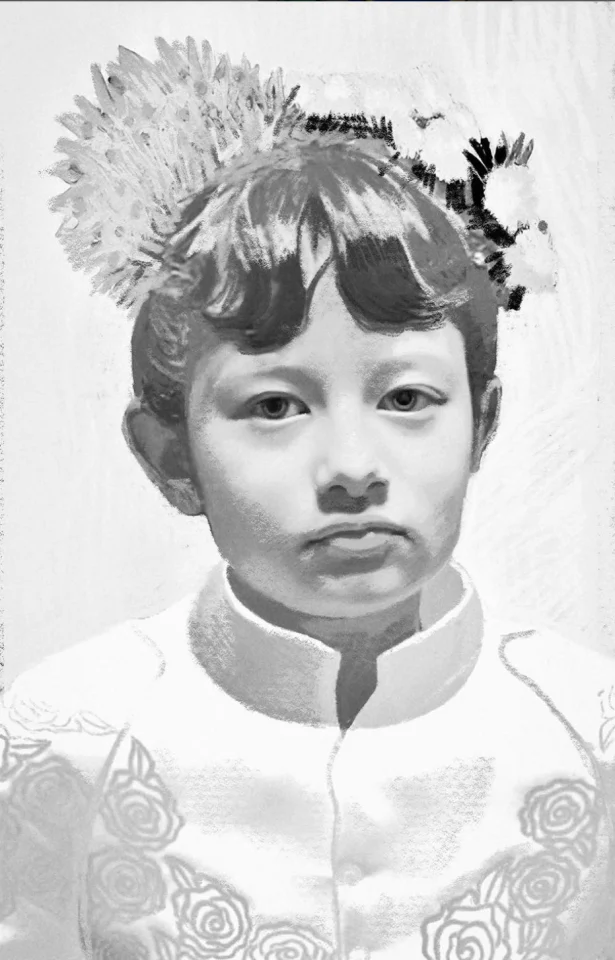
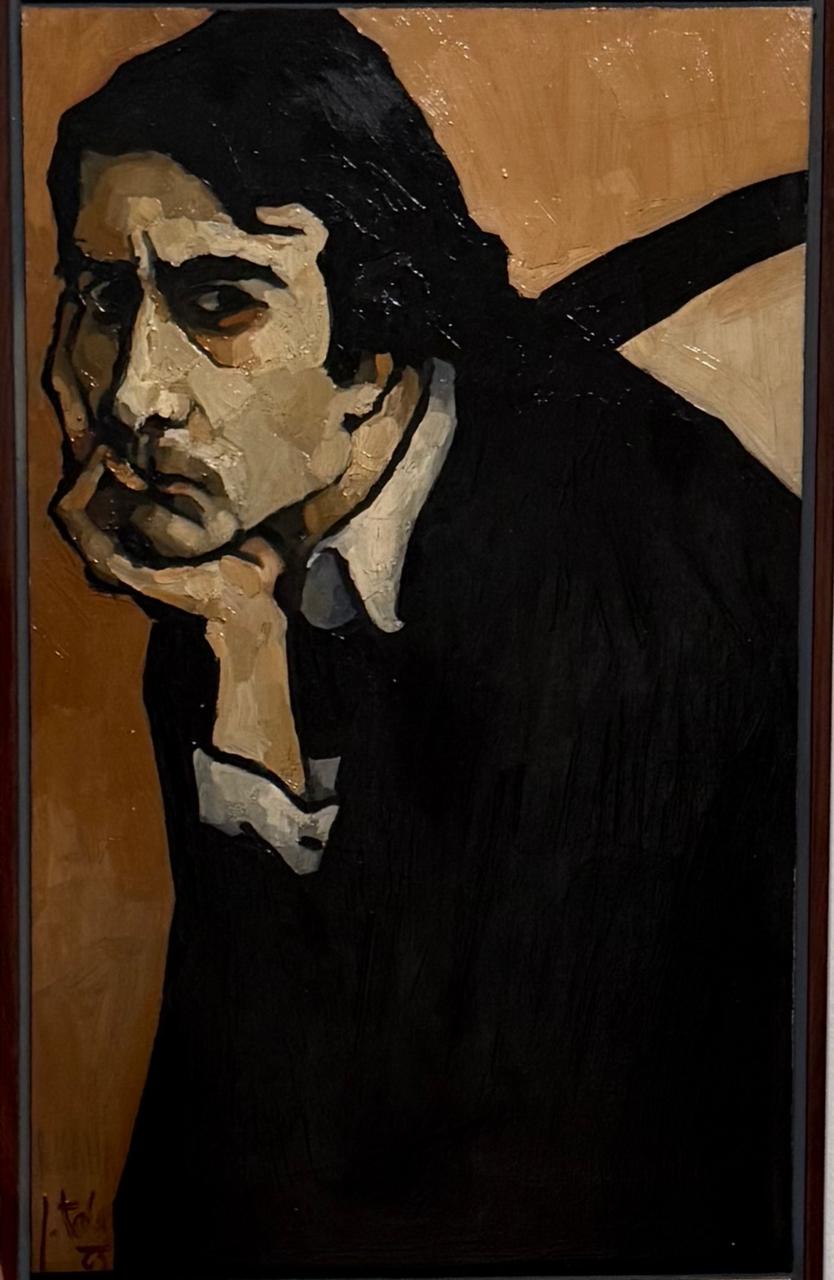
This work reinterprets José Tola's youthful self-portrait, retaining its pose and composition. It is a metaphysical dialogue that materializes in the communication with the artistic legacy of Tola, an artist who was an important part of my own history.

Self-portrait by José Tola
Señoritas del Dombás — Ana Masias, 2026, óleo sobre lienzo
ANA MASIAS

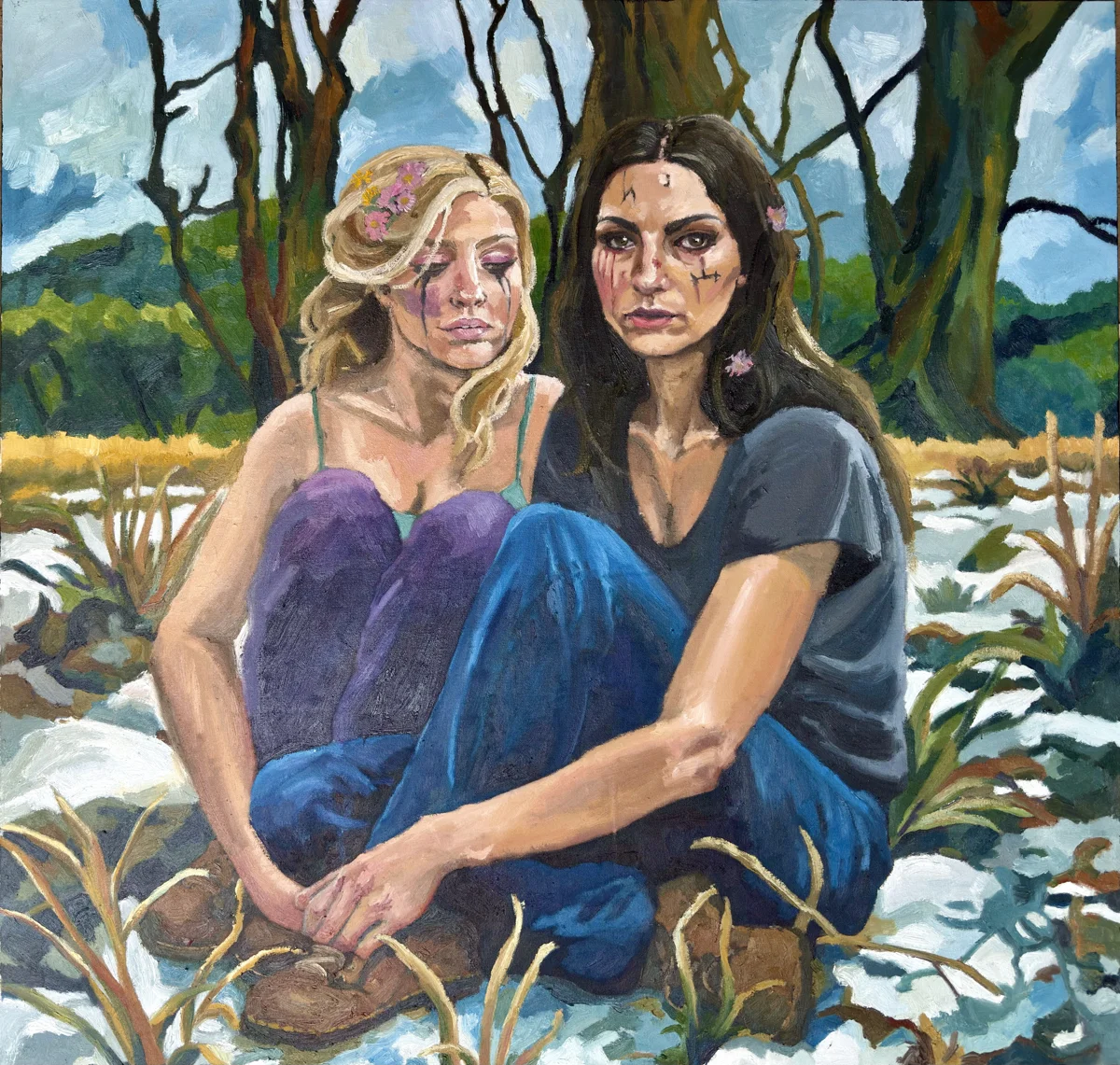
The Ladies of Donbas

  • 2026
  • Oil on canvas
  • 86 × 90 cm

The title The Ladies of Donbas is a nod to Pablo Picasso's The Ladies of Avignon. In both cases, the women represented are prostitutes: in Picasso's work, they are women from the brothels of Avinyó street in Barcelona. In my work, the ladies inhabit a cold territory in a war zone: they are young women who pass from soldier to soldier in exchange for something minimal and basic like clothes or bread. The work confronts the viewer with lives reduced to survival, where the female body becomes one of the greatest victims of armed conflict, most of the time without having any other choice.

Casandra — Ana Masias, 2026, 156 × 87 cm
ANA MASIAS

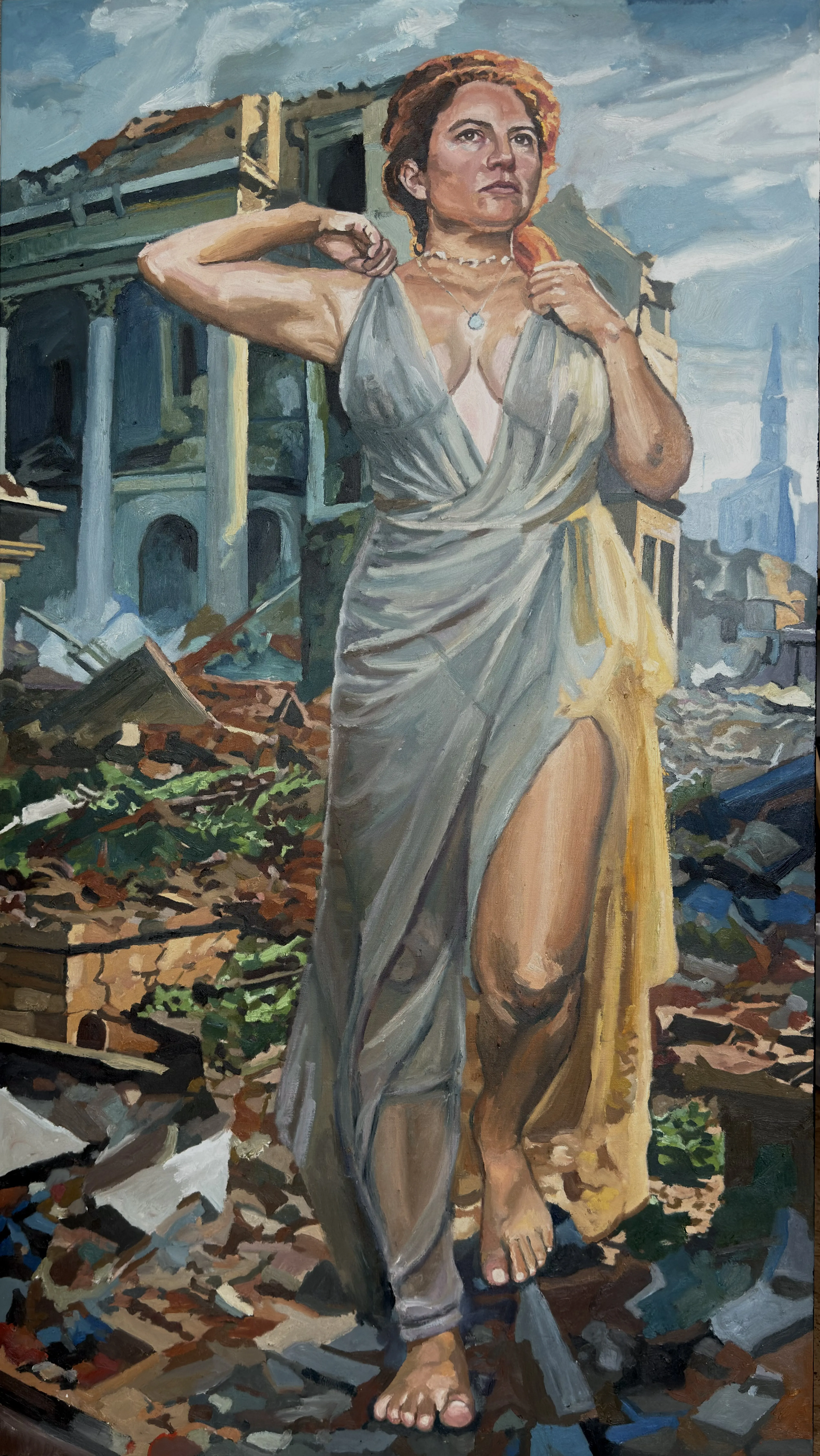
Cassandra

  • 2026
  • Oil on canvas
  • 156 × 87 cm

Cassandra reinterprets an episode from the sacking of Troy. Instead of representing the moment she is violated by Ajax, the work shows what might have happened afterwards: she adjusts her clothes, gets up, and continues walking among the ruins of her destroyed temple.

Bajo el árbol de madreselva — Ana Masias, 2026, 165 × 114 cm
ANA MASIAS

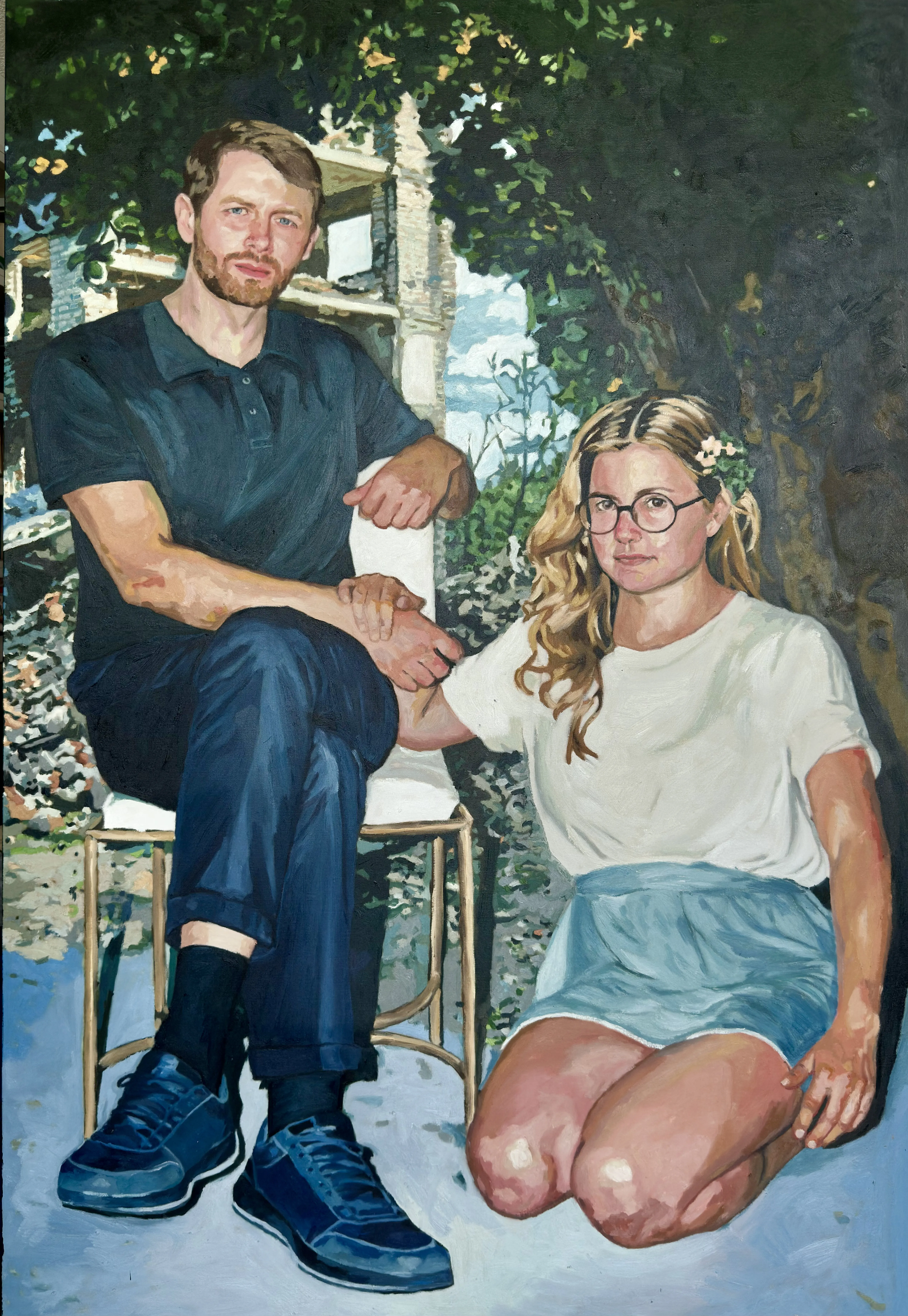
Under the honeysuckle bower

  • 2026
  • Oil on canvas
  • 165 × 114 cm

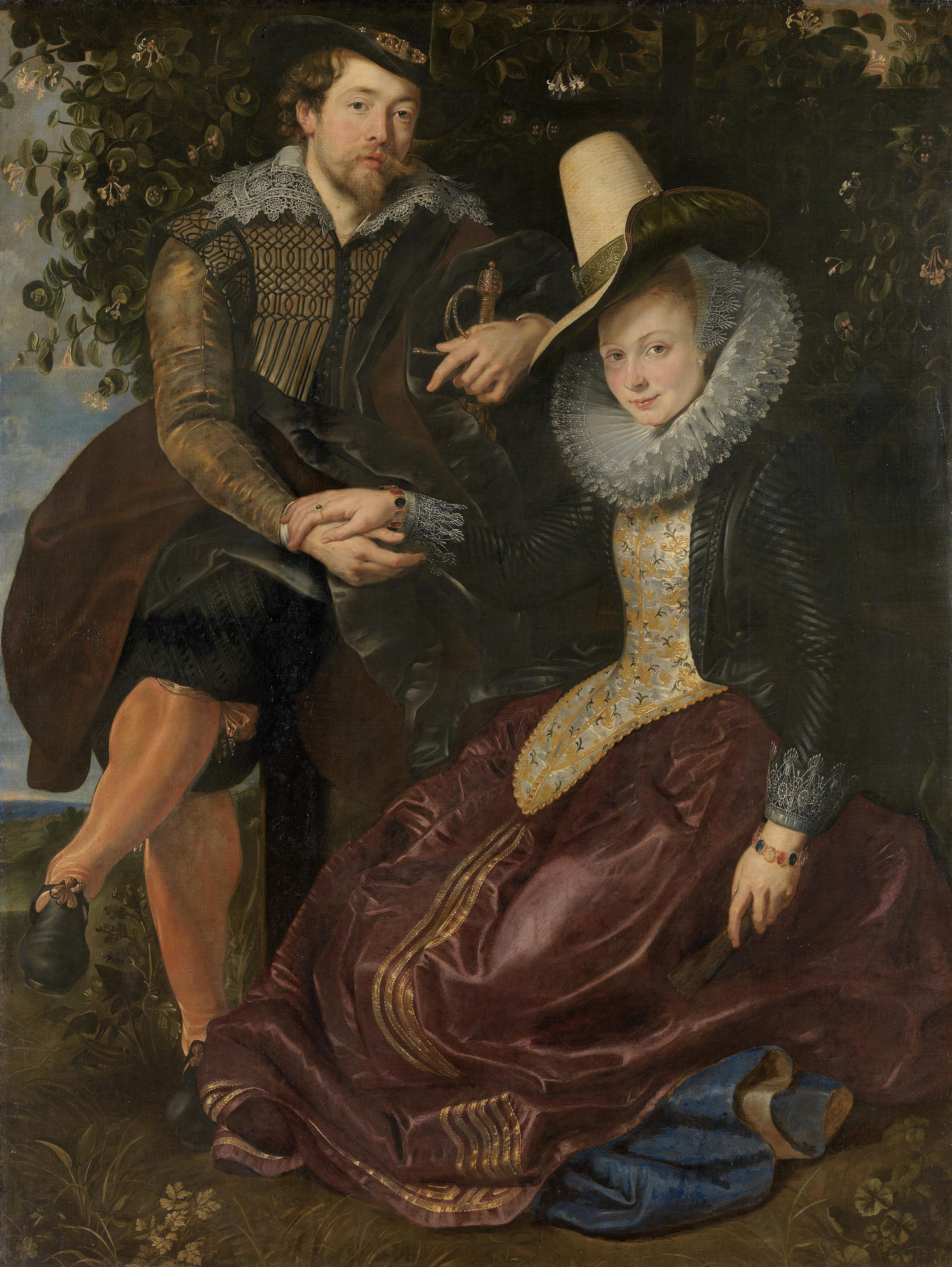
This work reinterprets the portrait of Rubens and Isabella Brant, moving our intimacy to the ruins of war behind the honeysuckle. The tree, a symbol of fidelity and permanence, contrasts with a war-torn landscape, becoming a new opportunity in the face of destruction. The work proposes a reflection on the persistence of affection even amidst devastation.

Peter Paul Rubens and Isabella Brant
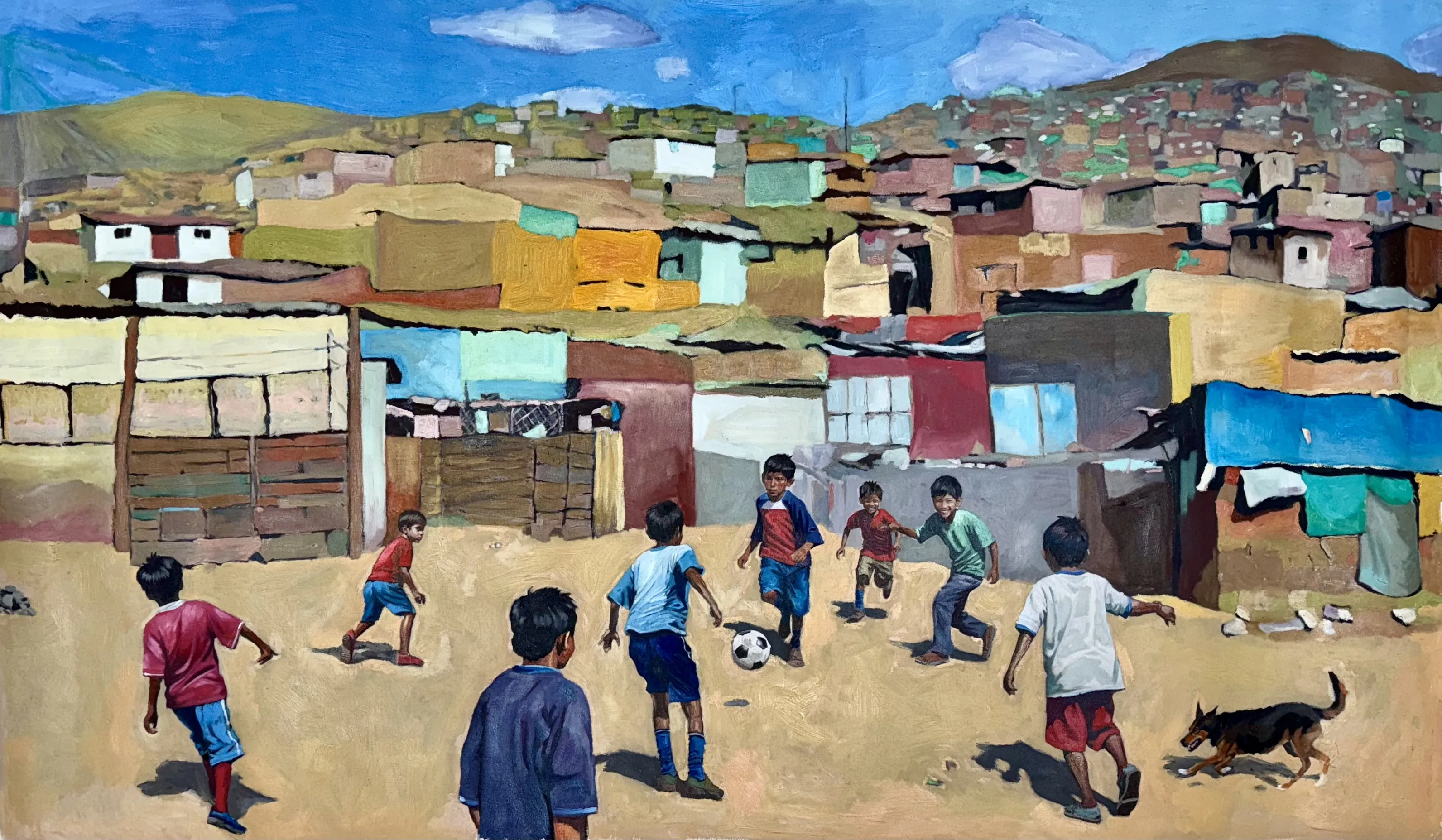
Los niños juegan — Ana Masias, 2025, óleo sobre lienzo, 95 × 165 cm
ANA MASIAS

Children play

  • 2025
  • Oil on canvas
  • 95 × 165 cm

In a peripheral neighborhood of Lima, play appears as a territory of freedom and as a symbol of belonging, identity, and resilience in the face of poverty.

More information

It is a moment of joy and innocence amidst deprivation. In a peripheral neighborhood of the city of Lima, a group of children runs after a soccer ball, while precarious houses made of wood, mats, and exposed brick rise behind them. The painting exposes the paradox of a childhood that, even traversed by poverty, finds in play a territory of freedom. The work is a tribute to the collective memory of human settlements, where playing on the makeshift pitch becomes a symbol of belonging and identity.

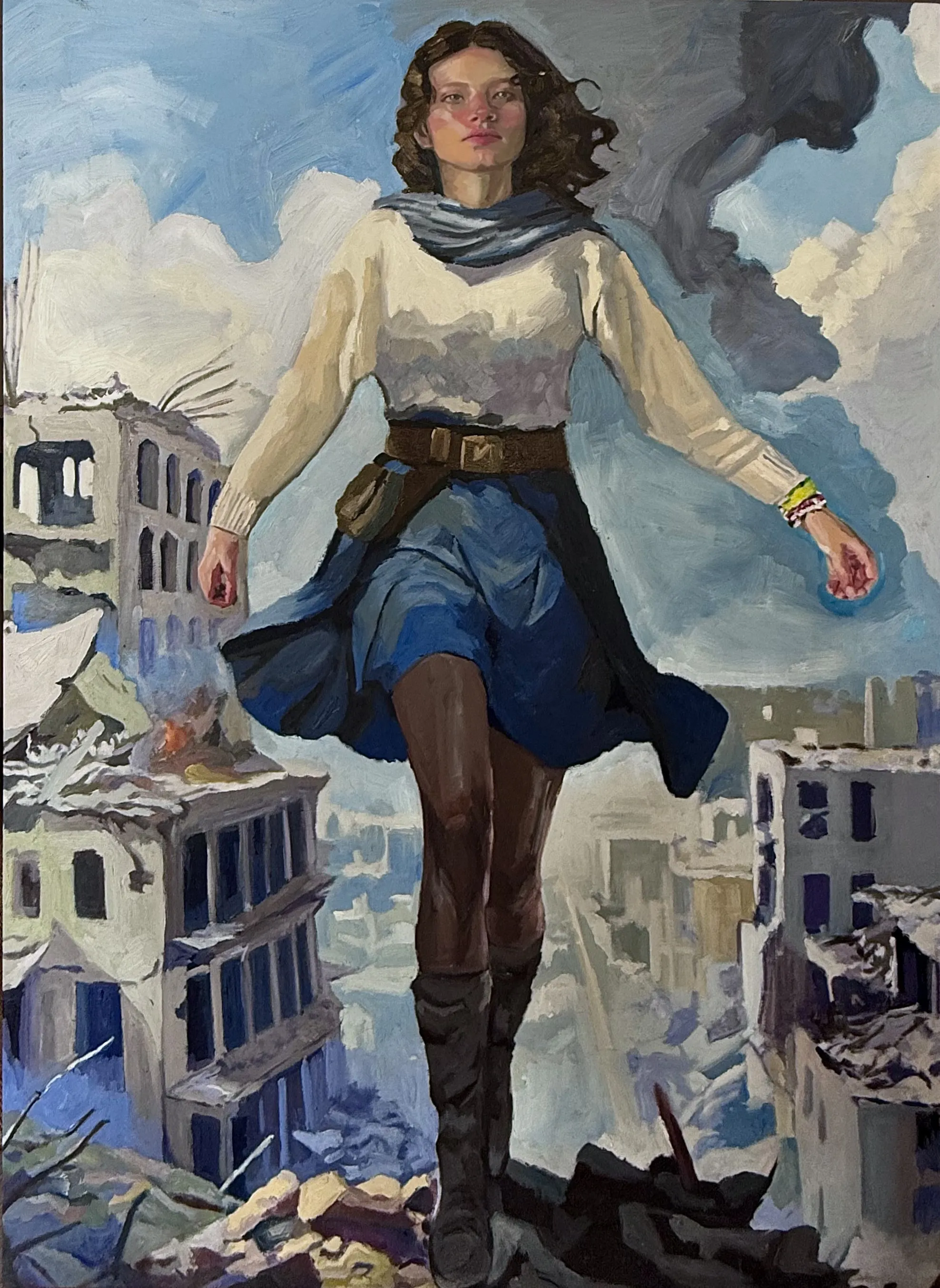
La gran heroína — Ana Masias, 2025, óleo sobre lienzo, 160 × 110 cm
ANA MASIAS

The great heroine

  • 2025
  • Oil on canvas
  • 160 × 110 cm

A young woman walks among the ruins of a devastated city. Her monumental presence articulates a narrative of hope: the feminine as strength, leadership, and resistance.

More information

The figure of a young woman walks among the ruins of a devastated city; in the midst of the hostile landscape, the protagonist advances. The character is inspired by the figure of the artist's daughter, whose presence is monumental. The work articulates a narrative of hope: when all seems lost, the drive not to surrender can be found in a single figure—a woman, a mother, a daughter. It concentrates the idea that the feminine is strength, leadership, and resistance.

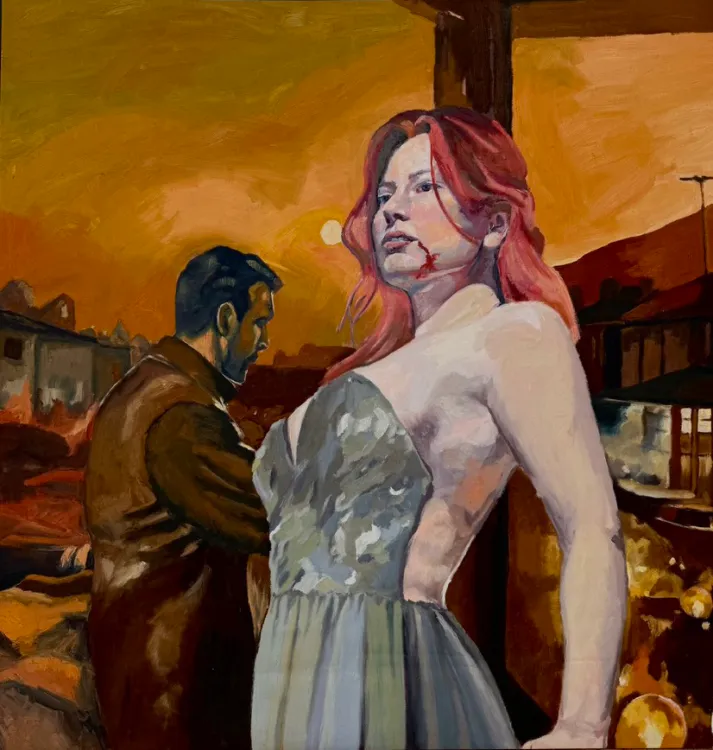
El sol se puso sobre nuestras promesas — Ana Masias, 2024, óleo sobre lienzo, 130 × 130 cm
ANA MASIAS

The sun set on our promises

  • 2024
  • Oil on canvas
  • 130 × 130 cm

Perhaps it is the intensity of human bonds during disagreements. In the center, a wounded woman in an evening gown stands as a figure laden with desolation, while a man in the shadows turns his back on her. The scene is set in a polluted, ochre sunset over the remains of a city. The sun goes down on promises made. The woman, under a white light, despite the visible wound, holds a firm gaze toward the horizon, in the face of betrayal and abandonment.

More information · with poem
I see woods and stars. A kind voice consoles me, tiny under the highest sky, forgetful and rarely sad, marching under the wide sky. If someone wanted to pamper me, they would no longer know how to understand me, I carry my heart buried, I walk because I wear boots and I have forgotten everything, except walking.

Or are there no flowers on the horizon and a landscape so placid where I can sit down and cry? Adapted from Erich Maria Remarque

The sun set on our promises explores the intensity of human bonds during disagreements. In the center, a wounded woman in an evening gown stands as a figure laden with desolation and sorrow, while a man in the shadows turns his back on her. The scene is set in a polluted, ochre sunset over the remains of a city. The light and surroundings in ochres and oranges suggest tension in what was once an affective or social pact, reinforcing the metaphor of a sun going down on promises made. The woman, under a white spotlight, and despite the visible wound, holds a firm gaze toward the horizon, representing resistance in the face of betrayal and abandonment.
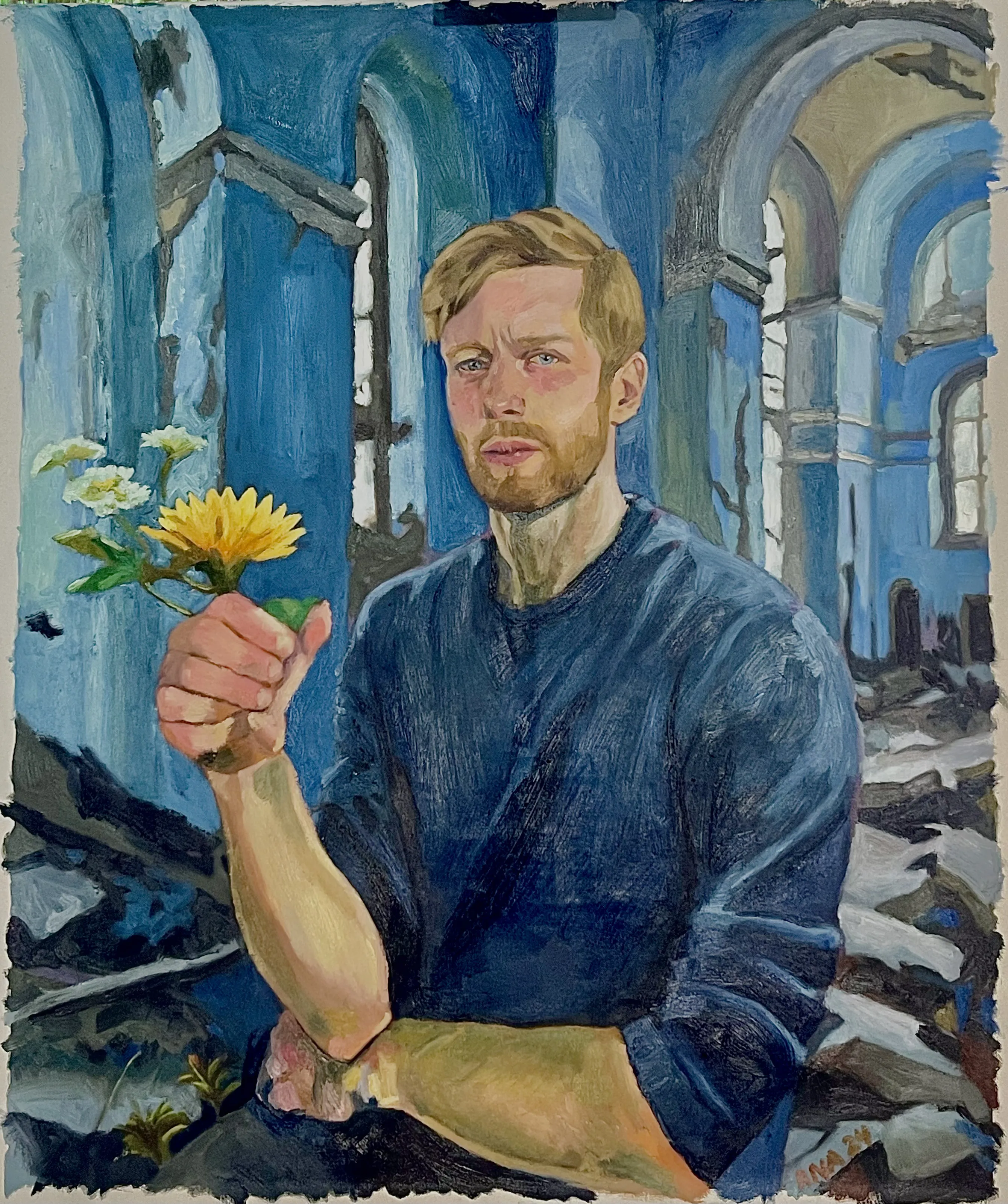
Caminé sobre la muerte, pero en mis manos queda vida — Ana Masias, 2024, óleo sobre lienzo, 110 × 90 cm
ANA MASIAS

I walked over death, but in my hands there is life

  • 2024
  • Oil on canvas
  • 110 × 90 cm

A surviving ex-soldier holds a flower among the ruins of a temple. The vitality of that gesture contrasts with the harshness of war: life persists even where the sacred has collapsed.

More information

This work raises a reflection on the fragility of existence and the human capacity to resist in the face of devastation. The central character is a surviving ex-soldier of war. He holds a flower in his hands, as a gesture of vitality that contrasts with the reality of violence and the harshness of death in the context of war. Behind him, the ruins of a temple can be seen, a setting that represents a paradigm shift, the fall of what is sacred, the collapse of the strongest beliefs.

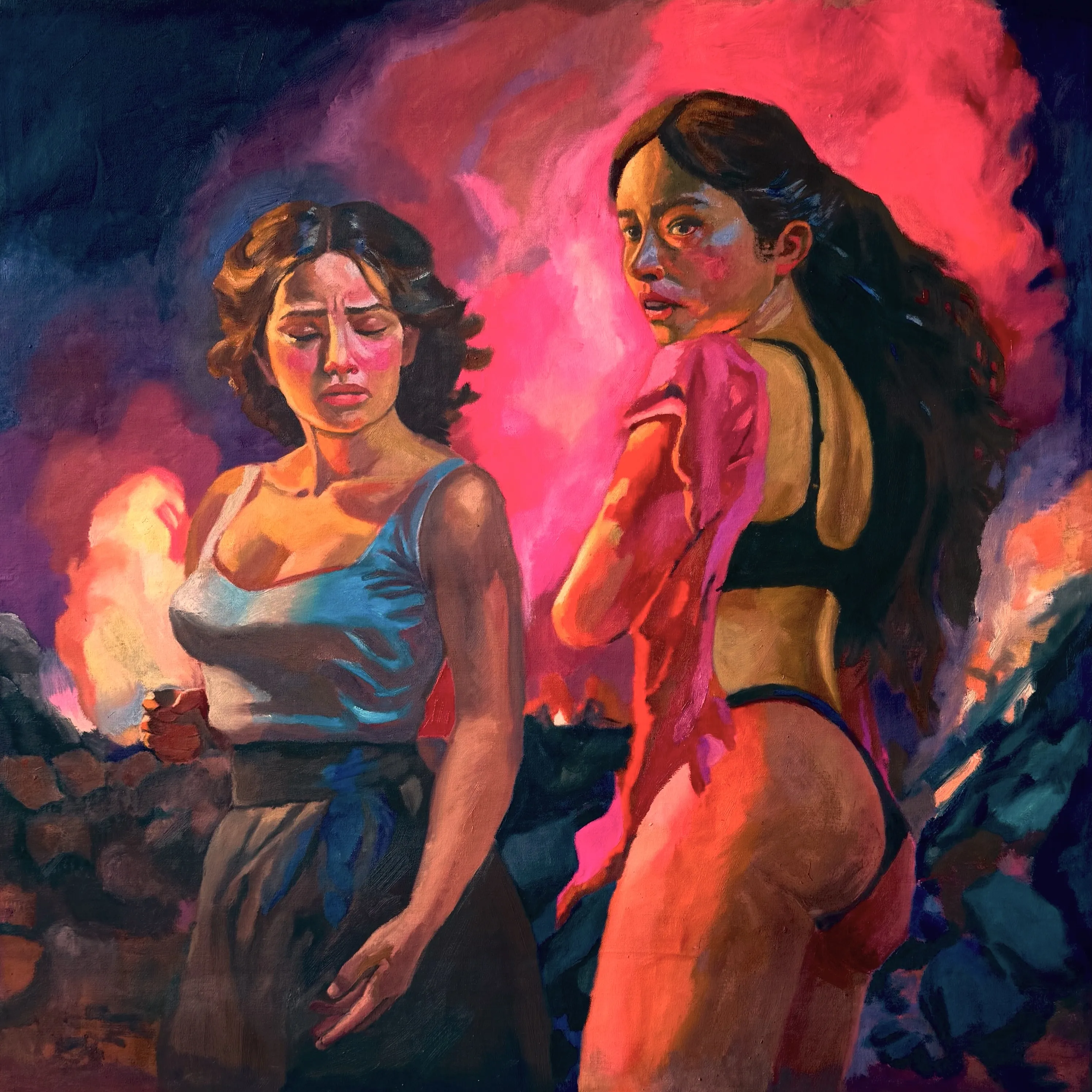
Las últimas heroínas — Ana Masias, 2024, óleo sobre lienzo, 130 × 130 cm
ANA MASIAS

The last heroines

  • 2024
  • Oil on canvas
  • 130 × 130 cm

Two young women in a burning environment. Their gazes convey astonishment, fear, and determination. The saturated atmosphere of reds and magentas gives the figures an almost mythical dimension.

More information

The last heroines is born from images shared in real time during the early phases of the Israeli occupation of the Gaza Strip. In the work, two young women appear in a burning environment, one with torn clothes and the other holding a stone in her hand. Their gazes convey astonishment, fear, and determination alike. The protagonists represent feminine resilience in contexts where daily life is interrupted by violence. Their bodies, exposed to vulnerability, are also emblems of resistance. The saturated atmosphere of reds and magentas intensifies the sense of danger and urgency, but also gives the figures an almost mythical dimension. They are the last heroines, because, despite the destruction, they remain alive and standing, looking toward the future.

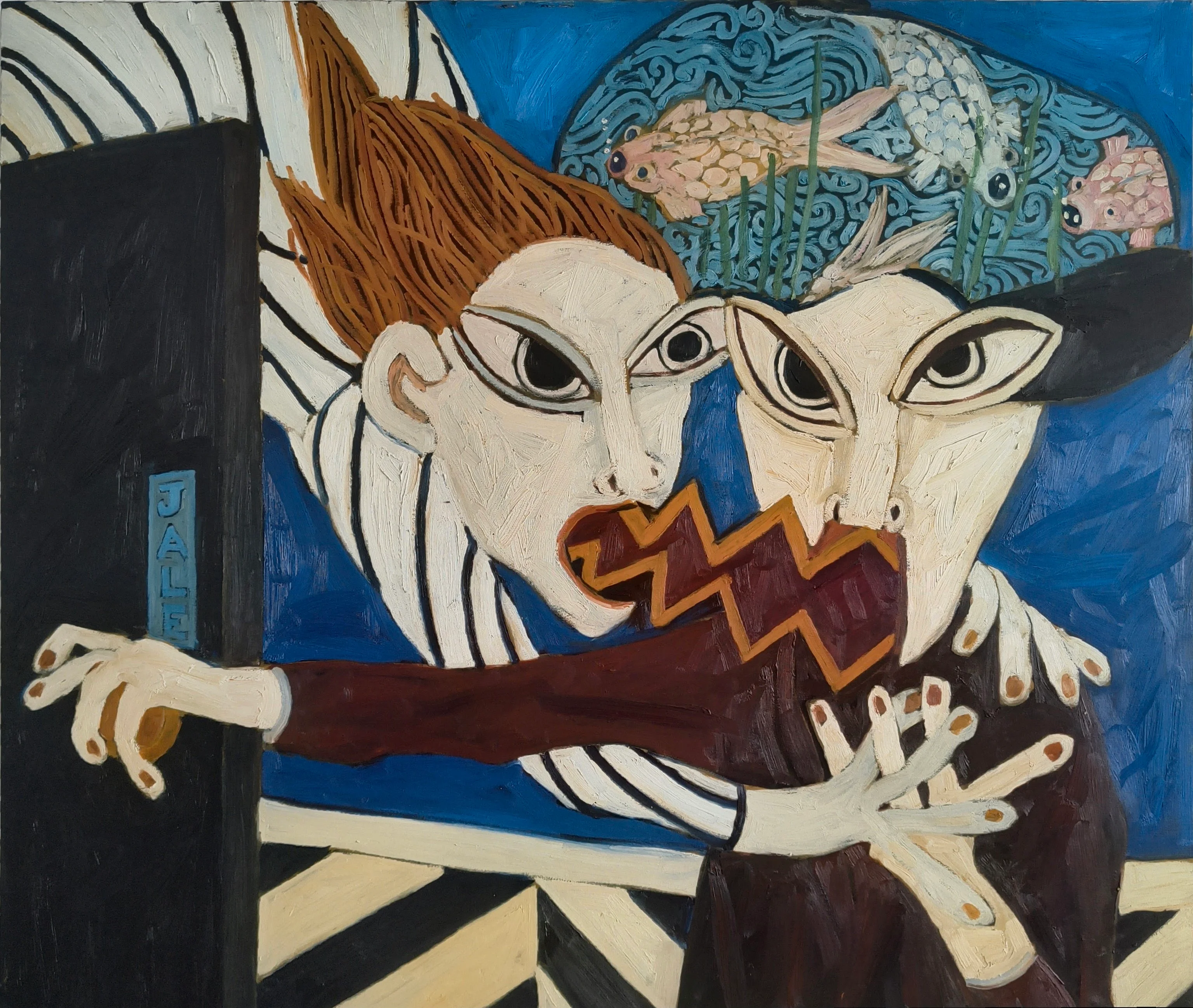
No hay nada fuera de ti — José Tola, 2017, óleo sobre lienzo, 150 × 150 cm
JOSÉ TOLA

There is nothing outside of you

  • 2017
  • Oil on canvas
  • 150 × 150 cm

Artwork by master José Tola. Collection Ana Lucía Masias Bendezú Vda. de Tola.